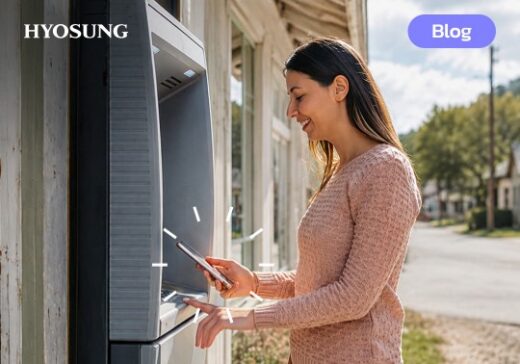
Although not a new technology, contactless ATMs are quickly becoming the preferred method for consumers to handle banking. Whether through NFC, QR codes, or SMS-based one-time passwords (OTP), consumers demand convenience and choice. Understanding the benefits and challenges of contactless technology offers ATM operators key insights to better serve customers and elevate operations.
According to Datos Insights, roughly 68% of global ATMs at the end of 2024 included cardless cash withdrawal capabilities. In Brazil and India, penetration rates exceed 90%. Looking more closely, we see India’s UPI (Unified Payments Interface) is one of the world’s fastest-growing digital payments platforms. With monthly transaction volumes surpassing 20 billion for the first time in August 2025, UPI has solidified itself as a core component of India’s digital infrastructure. India’s UPI-based QR cash withdrawals highlight how ATMs are evolving from traditional card-based terminals into mobile-enabled access points. As contactless adoption grows worldwide, ATMs increasingly connect mobile banking and digital wallets with convenient cash access.This shift reflects the industry’s transformation from hardware-focused solutions to integrated digital banking platforms. To maximize these benefits, financial institutions must view contactless technology as more than a convenience feature, leveraging it to enhance customer engagement, security, and operational efficiency.
For Consumers –
Ease of Use: With contactless technologies widely used and preferred in other industries, consumers expect similar convenience at the ATM. Using a phone as a digital wallet means users no longer need to carry physical cards. Furthermore, incorporating multiple contactless options gives consumers more freedom of choice. Whether using a bank app, mobile QR, or OTP, users have more ways than ever to access cash.
Secured Transaction: Modern contactless transactions frequently use mobile biometric authentication. This provides authentication in a familiar environment and helps prevent external fraud like card skimming. In fact, FICO reports that in 2025, compromised debit cards in the US increased 90% YoY, largely due to skimming. Additionally, many contactless methods eliminate PIN entry, reducing the chance of shoulder surfing or physical theft. As a result, many consumers have said they feel safer using contactless technologies.
For FIs –
Brand Leadership: Incorporating the latest technologies helps ATM deployers set themselves apart. By enhancing self-service offerings with greater convenience and choice, operators drive customer loyalty and brand reputation.
Reduced Fraud: These security benefits also protect ATM operators and FIs. Fewer instances of skimming or shoulder surfing mean lower fraud-related losses for the industry.
Lower Physical Dependence: For FIs, greater reliance on digital transactions cuts the costs of issuing new cards and replacing stolen ones.
Risks & Challenges
Contactless transactions introduce new risks, including digital data manipulation, remote authentication abuse, and terminal malfunctions. In response, financial institutions and ATM manufacturers continue to strengthen security through one-time encryption, transaction authentication controls, and optimized user interfaces. Demonstrating how the industry proactively addresses these emerging threats is a key indicator of expertise and technological maturity.
- Key Risks of Contactless Transactions
Because physical cards are not inserted, there is a risk of sophisticated fraud. This includes data interception using advanced equipment, unauthorized relay attacks, or remote signal manipulation. Criminals continue to devise unique ways to take advantage of new technologies, but luckily there are ways to protect you and your customers.
- Technological and Manufacturing Countermeasures
To mitigate these risks, the industry has adopted software and hardware security standards. One-time encrypted tokens, which change with every transaction, prevent the misuse of intercepted data. Distance and timing-based authentication can detect relay attacks by measuring signal response times and immediately terminating suspicious transactions. Furthermore, anti-collision algorithms minimize device interference, while weather-resistant hardware designs improve operational reliability.
Are Contactless ATMs Right for your Business?
While NFC- and QR-based ATM transactions introduce new considerations around security and implementation, they can significantly improve convenience and the overall customer experience. FIs must carefully evaluate their strategic goals to ensure contactless technologies align with them. This means finding a reliable and knowledgeable partner that knows how to make the most of these technologies to enhance your self-service channel and drive more enjoyable banking experiences.
To learn more about how contactless enabled ATMs can elevate your customers’ banking experience, contact your local Hyosung representative.